of the world’s agricultural land is grassland, not suited for other crops
A healthy world needs affordable quality protein
We connect remote sustainable milk regions, delivering fresh quality milk to processors in urban markets.
MilkWays opens new opportunities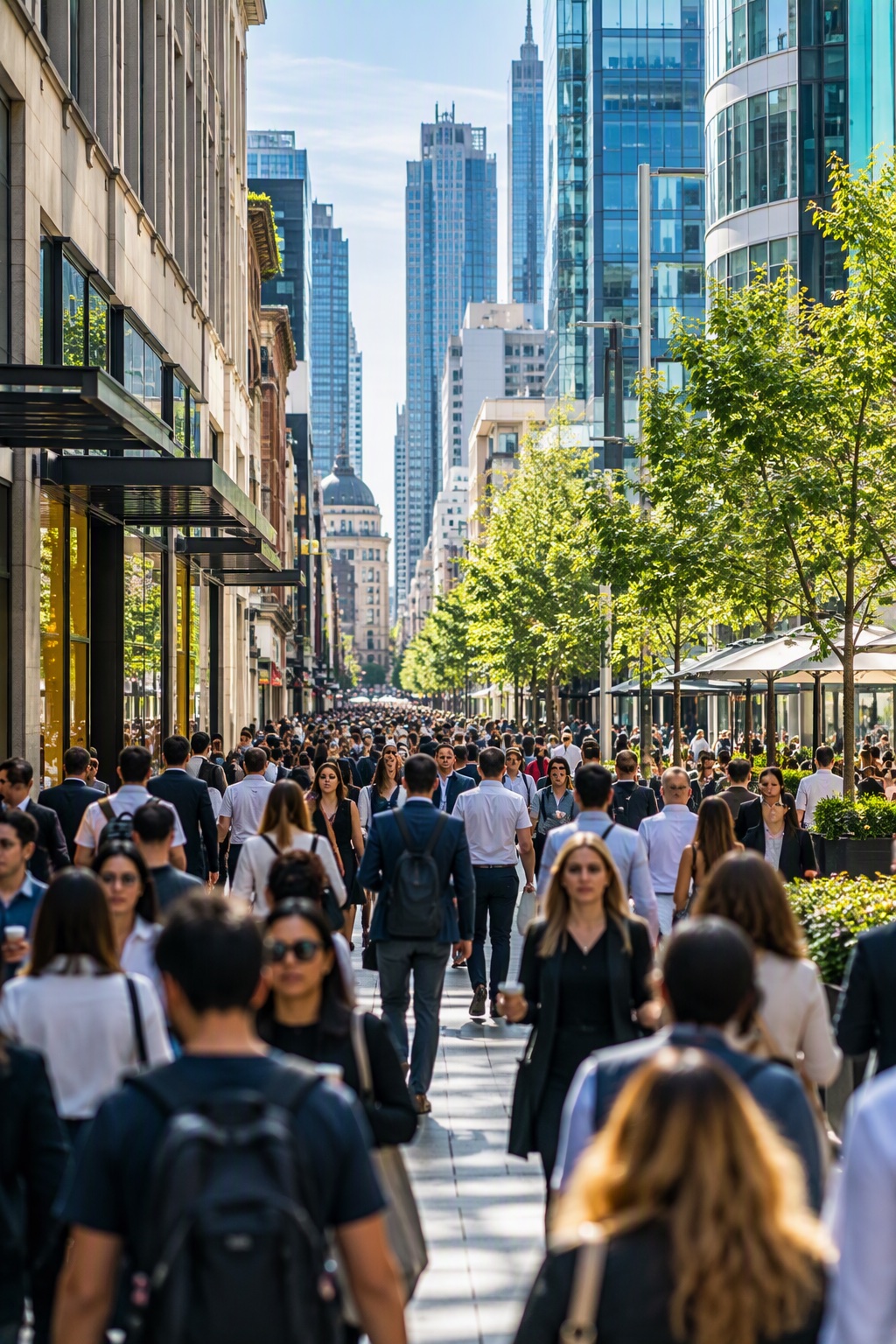
Affordable. Nutritious. Scalable. For billions, not millions.
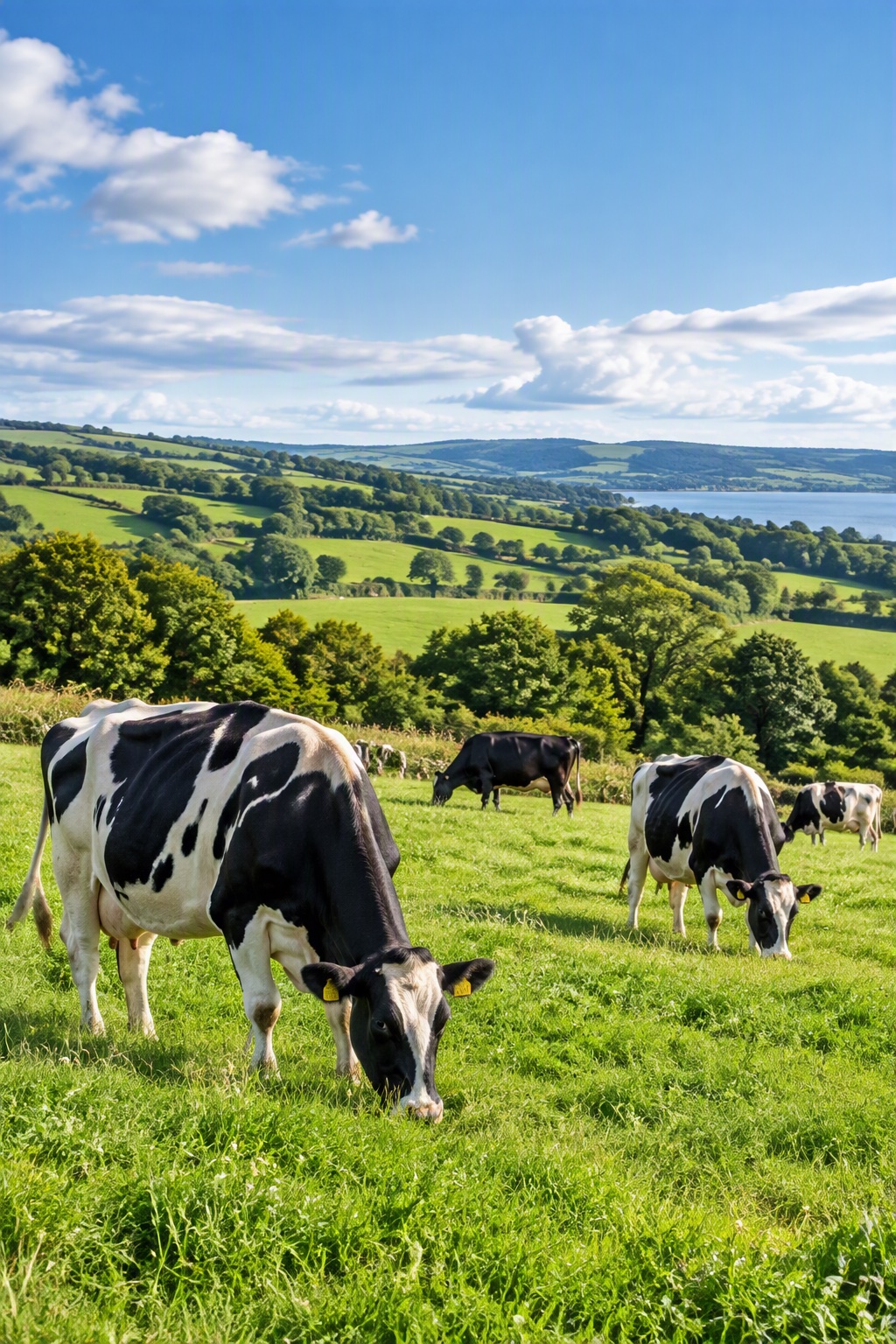
Grassland represents 67% of the world’s agricultural land and is not suited for other crops. As the world’s largest agricultural land resource, grass is vital to producing affordable, high-quality nutrition at scale. That makes milk the credible low-impact alternative to beef.
lower greenhouse gas footprint than beef per unit of protein
of the impact of agricultural products occurs in production
Milk from optimal regions: around 1,000 g CO₂e per kg; suboptimal regions: around 2,000–7,500 g CO₂e per kg
But milk still has an impact. Our mission is to reduce that impact.
Making milk with the lowest impact
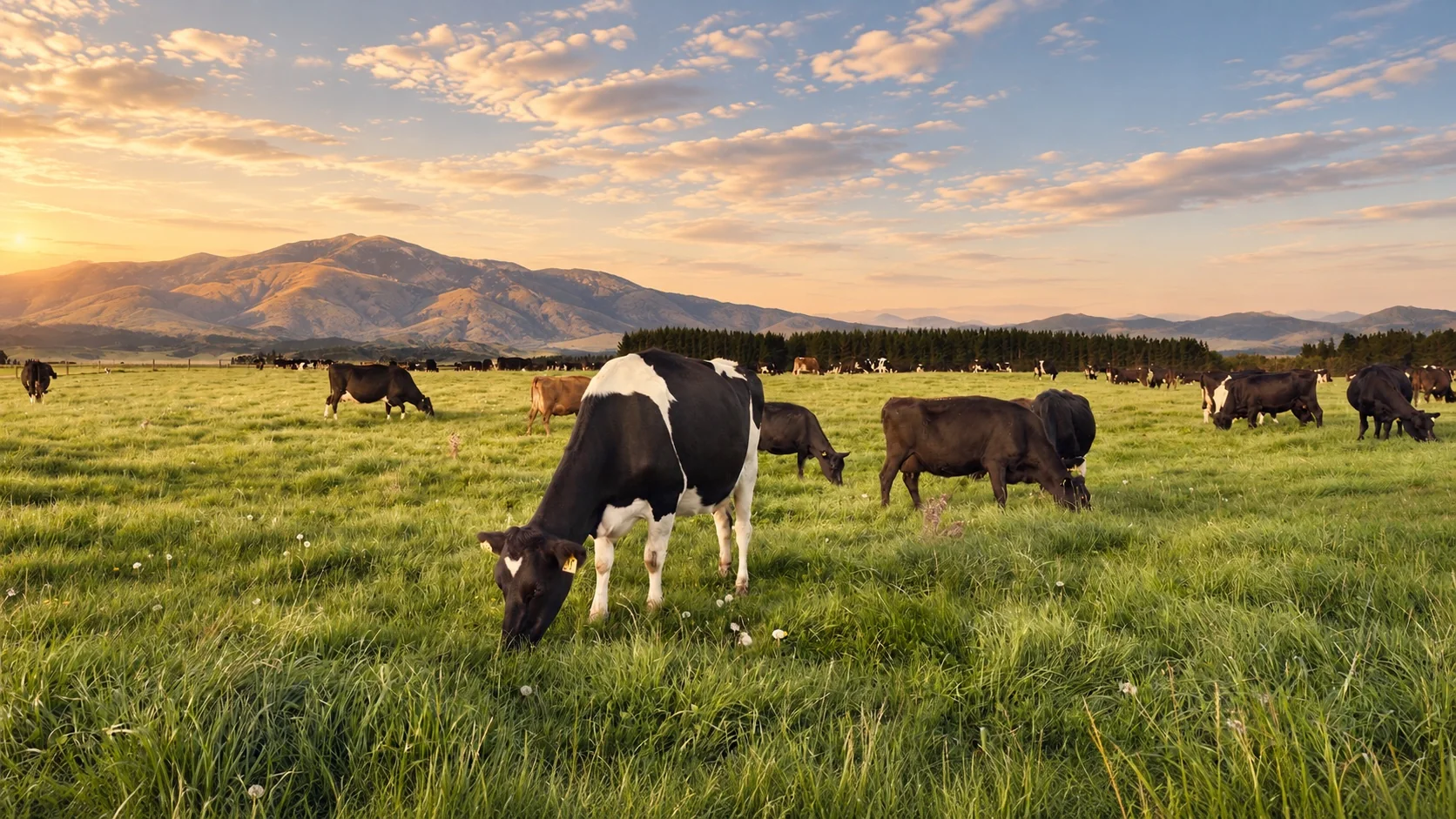
Where milk is produced matters.
Around 85% of the impact of agricultural products occurs in production. Processing and transport account for only a small part of the total. Yet the footprint of milk varies substantially, by 50–80%, between production regions.
That creates a clear opportunity: shift milk production to where the cow prospers. Regions with abundant grassland and water, favourable climates and efficient dairy farming can produce milk at significantly lower impact and lower cost.
In our Scotland-to-Netherlands case, transport adds only around 20 g CO₂e per kg of milk, compared with around 1,000 g CO₂e per kg to produce it.
Producing the milk
~1,000 g
Transport to the Netherlands
~20 g
g CO₂e per kg of milk
Shift production to where its impact is lowest. Move the milk to where it is needed.
Validated shelf life: 50 days achieved in practice and up to 140 days in laboratory validation. MilkWays communicates a 100+ day shelf-life potential under validated conditions.
Where the cow prospers. Where the milk is needed.
MilkWays builds long-term connections between optimal milk-producing regions and dairy processors seeking secure, high-quality sustainable milk supply.
01
Produce
Source milk in naturally advantaged dairy regions.
02
Protect
Keep fresh-milk quality intact during transport.
03
Process
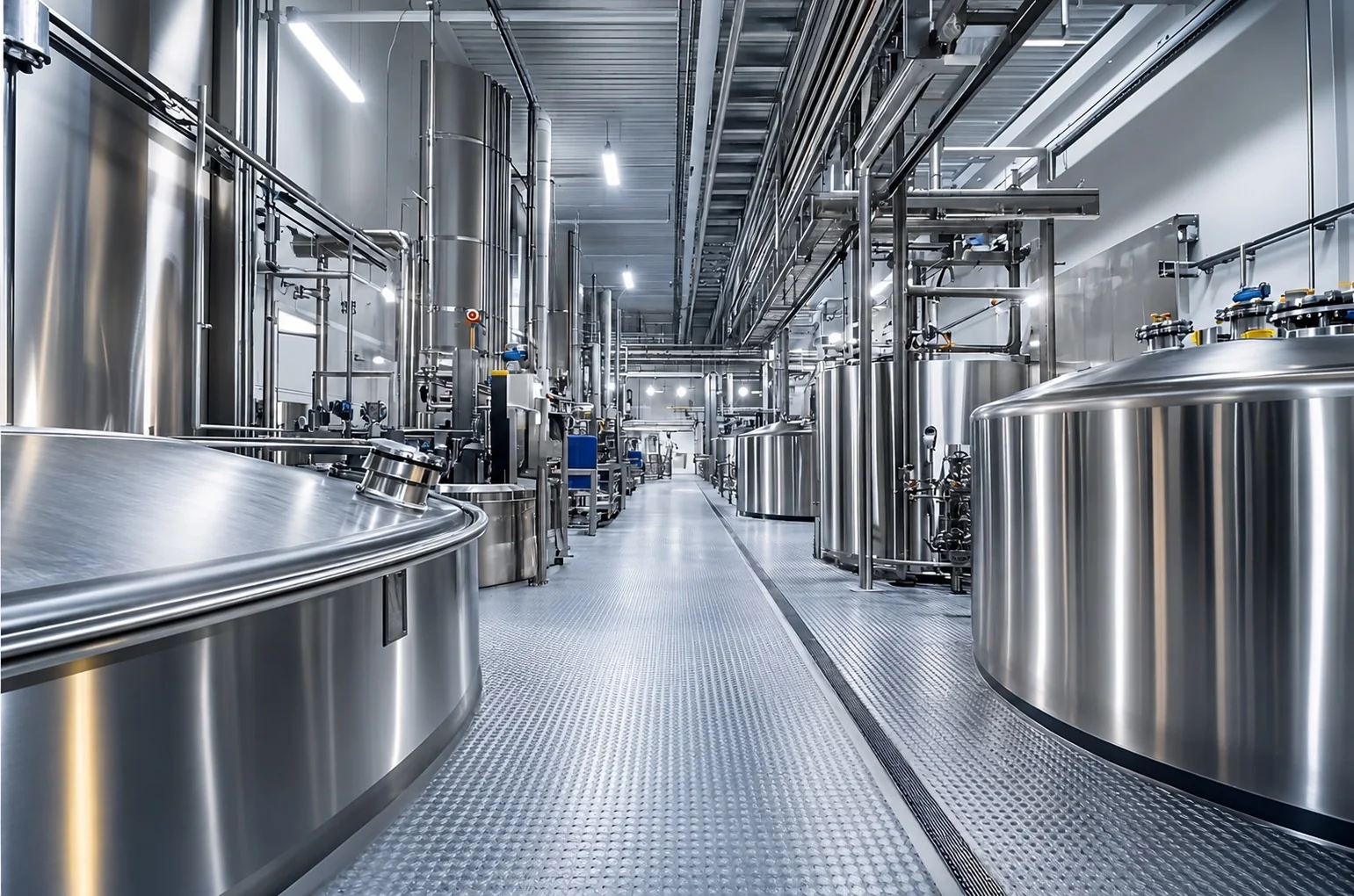
Deliver functional milk to urban dairy processors.
An opportunity for many
Connecting optimal milk-producing regions with distant dairy markets creates value across the food system.
For farmers and cooperatives
Long-term access to markets beyond their local region.
For dairy processors
Secure access to high-quality sustainable milk.
For exporting regions
Turning abundant natural resources into higher-value food and long-term economic activity.
For importing regions
Reducing pressure on scarce land and water, saving resources for food rather than feed.
Better use of resources. Better opportunities on both sides.
Discover MilkWaysExploring a new milk corridor?
Let’s discuss the origin, destination and right route to market.